

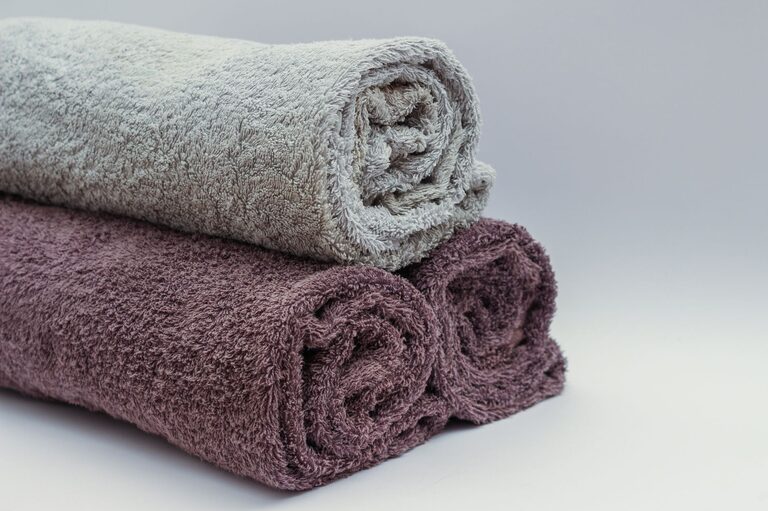
Keeping towels fresh and fluffy not only makes your daily routine more pleasant but also helps your towels last longer. Over time, towels can become rough, smell musty, or lose their absorbency. Fortunately, with a few simple habits and care tips, you can maintain that fresh, soft feel for much longer. This guide will walk you through everything you need to know to keep your towels in top shape.
Why Towels Lose Freshness and Fluffiness
Before diving into the tips, it helps to understand why towels sometimes get rough or start smelling unpleasant:
– Residue buildup: Detergents, fabric softeners, and minerals from hard water can leave a film on fibres.
– Improper drying: Towels that stay damp for too long develop mildew or a musty smell.
– Overwashing or harsh washing: Using too much detergent or washing on a harsh cycle can damage fibres.
– Hard water effects: Minerals in hard water reduce softness and absorbency.
Knowing these issues can guide your towel care routine.
Tips to Keep Towels Fresh and Fluffy
1. Wash Towels Properly
– Use the right detergent: Choose a mild detergent and avoid using too much. Excess detergent can build up and make towels feel stiff.
– Avoid fabric softeners: Though it seems counterintuitive, fabric softeners coat towel fibres, reducing absorbency and softness over time.
– Select the right water temperature: Warm or hot water kills bacteria and removes oils, but check towel care labels to prevent damage.
– Add white vinegar occasionally: Pour half a cup of white vinegar into the rinse cycle once a month. This helps break down residue and restore softness.
2. Dry Towels Correctly
– Shake towels before drying: Give them a good shake to fluff the fibres.
– Use a tumble dryer with dryer balls: Dryer balls or clean tennis balls help fluff towels by separating fibres during drying.
– Avoid over-drying: Too much heat can damage fibres, so opt for a medium heat setting.
– If air drying, hang towels fully spread: Ensure towels have good airflow, preventing dampness that causes mildew.
3. Store Towels Properly
– Store in a dry, well-ventilated space: Avoid storing towels in damp areas like bathrooms without proper ventilation.
– Don’t stack too tightly: Give towels room to breathe when folded or rolled.
4. Wash Towels Separately
– Washing towels separately from clothes helps prevent lint transfer and reduces wear and tear on towel fibres.
5. Avoid Using Bleach Unless Necessary
– Bleach can weaken fibres and cause yellowing in some towels. Use it sparingly and only as a last resort for whitening.
6. Replace Towels When Needed
– Over time, towels will naturally wear out. If a towel starts to feel rough, loses absorbency, or develops persistent odours despite care, it may be time to replace it.
Extra Tips for Special Situations
Managing Hard Water Effects
If you live in an area with hard water, consider these options:
– Use a water softener or add water-softening agents designed for laundry.
– Increase rinsing to reduce mineral buildup.
Removing Mildew Smells
For towels that smell musty, try soaking them in a mixture of warm water and baking soda or white vinegar before washing.
Conclusion
Keeping towels fresh and fluffy is all about proper washing, drying, and storage habits. By avoiding fabric softeners, using the right detergent, drying towels properly, and occasionally refreshing them with vinegar, you can enjoy soft, absorbent towels every day. Take good care of towels, and they’ll repay you with comfort and durability for months and years.
Happy laundering!