

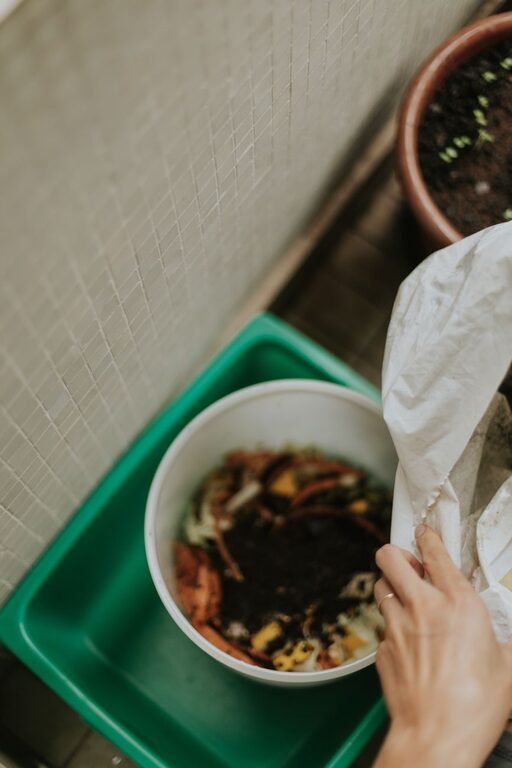
Reducing food waste at home is a practical and rewarding way to save money and care for the planet. Food waste not only contributes to unnecessary spending but also has a significant environmental impact, including greenhouse gas emissions and wasted resources. Fortunately, there are many easy steps you can take to minimise waste in your kitchen.
Understanding Food Waste: Why Does It Matter?
Before exploring how to reduce food waste, it’s important to understand what food waste includes. It refers to any edible food that is discarded or lost. This can happen at many stages, from buying and cooking to storing and consuming. At home, common causes include overbuying, improper storage, cooking too much, or simply forgetting about food.
1. Plan Your Meals and Shopping
One of the best ways to reduce food waste is to plan your meals in advance. Having a clear idea of what you will eat throughout the week helps you buy only what you need.
– Create a Weekly Menu: Plan breakfasts, lunches, dinners, and snacks ahead of time.
– Make a Shopping List: Based on your menu, write a precise list to avoid impulse buys.
– Check Your Pantry and Fridge: Before shopping, check what you already have to prevent duplicates.
Meal planning reduces food spoilage and ensures you use ingredients before they pass their prime.
2. Store Food Correctly
Proper storage can significantly extend the shelf life of your groceries.
– Understand Storage Needs: Different foods require different conditions. For example, potatoes prefer a dark, cool place; lettuce needs moisture and cold.
– Use Airtight Containers: These help keep moisture and air out, preserving freshness.
– Keep Raw Meat Separate: Store raw meat on the bottom shelf to avoid cross-contamination and spoilage of other foods.
Also, consider using clear containers to easily see leftovers and prevent them being forgotten.
3. Embrace Leftovers and Repurpose Meals
Leftovers often get overlooked and thrown away, but they can be delicious the next day.
– Store Leftovers in Portions: This makes reheating easy and encourages eating them rather than tossing.
– Get Creative: Use leftover vegetables in soups, pasta sauces, or stir-fries.
– Freeze Surplus Food: Many cooked dishes freeze well and can be saved for busy days.
By valuing leftovers, you reduce waste and enjoy tasty meals.
4. Understand Food Labels
Misinterpreting food labels is a common reason for throwing away good food.
– Sell By, Use By, and Best Before Dates: “Best before” refers to quality, not safety; food is often safe to eat after this date.
– Trust Your Senses: Smell, look, and taste can help determine if food is still good.
– Use Your Own Judgement: Don’t discard food solely based on dates without checking.
Being informed helps you avoid unnecessary waste.
5. Compost Food Scraps
Even with best efforts, some food waste is unavoidable.
– Start Composting: Kitchen scraps like fruit and vegetable peels, coffee grounds, and eggshells can be composted.
– Use Compost in Your Garden: It enriches soil and reduces the need for chemical fertilisers.
– Check Local Rules: Many local councils offer green waste collection services too.
Composting is a sustainable way to handle unavoidable waste.
6. Buy 'Ugly' or Imperfect Produce
Many fruits and vegetables are rejected by shops for aesthetic reasons but are perfectly edible.
– Look for Discounted Produce: Some supermarkets sell ‘imperfect’ products at lower prices.
– Support Local Markets: Farmers often sell odd-shaped or surplus produce.
– Use These in Cooking: They work well in soups, stews, and smoothies.
Buying these helps reduce food waste further up the supply chain.
7. Use Smaller Portions and Serve Mindfully
Over-serving can lead to unfinished plates and wasted food.
– Serve Smaller Portions: You can always go back for more if still hungry.
– Encourage Mindful Eating: Paying attention to hunger and fullness cues reduces waste.
– Store Extras Immediately: If there are leftovers, put them in the fridge as soon as possible.
This approach cuts waste and promotes healthier eating habits.
8. Regularly Organise Your Fridge and Pantry
It’s easy to forget about food that’s hiding in the back.
– Rotate Your Stock: Place newer items behind older ones to use those first.
– Clean Regularly: Check for expired or spoiled products weekly.
– Label and Date Leftovers: This helps you keep track of what to consume soon.
An organised kitchen helps reduce forgotten food waste.
Conclusion
Reducing food waste at home is both achievable and beneficial. Through meal planning, proper storage, embracing leftovers, and mindful purchasing, you can cut food waste significantly. These habits not only save money but also contribute to a healthier planet by using resources more responsibly. Start small, try a few of these tips, and notice the positive impact on your household and environment.
Every little effort counts, and together, we can make a difference one meal at a time.